



Running a business involves managing a lot of moving parts, and few things are more frustrating than seeing money leave your account after you thought a sale was finalized. While both refunds and chargebacks result in a customer getting their money back, they follow very different paths. Understanding these differences is essential for protecting your revenue and keeping your merchant account in good standing.
Is a Chargeback the Same as a Refund?
At first glance, a refund and a chargeback might seem like the same thing because the end result is a returned payment. However, the process and the impact on your business are completely different. The main distinction lies in who starts the process and how the funds are moved.
What is a Refund?
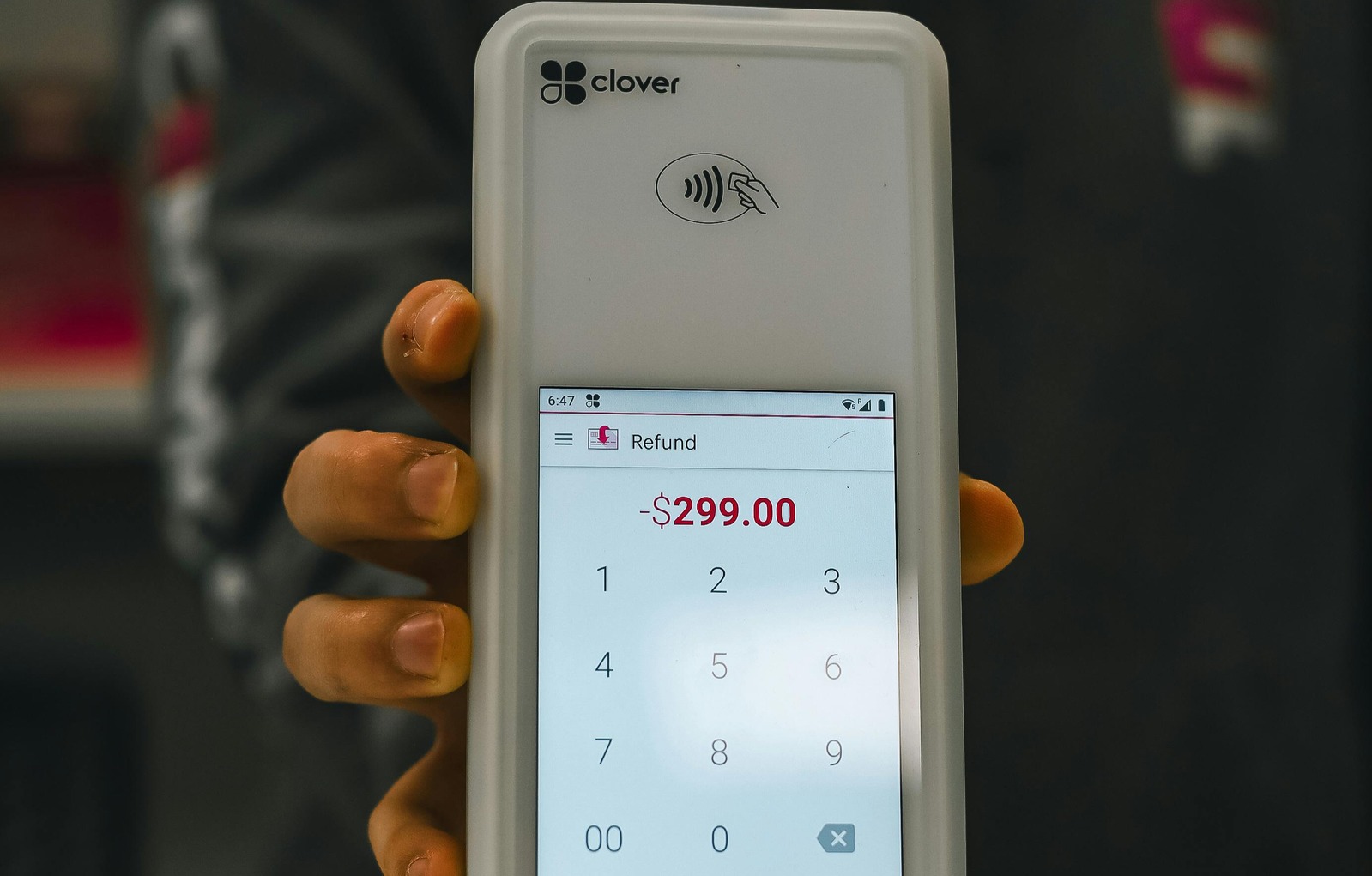
A refund is a voluntary transaction initiated by you, the merchant. When a customer is unhappy with a purchase or makes a mistake, they contact you directly to ask for their money back. You then use your point of sale system or merchant portal to return the funds to their card. Because you are the one in control, you can verify the return of the merchandise before the money is released.
What is a Chargeback?
A chargeback is an involuntary reversal of funds forced by the customer’s bank. Instead of asking you for a refund, the customer goes straight to their credit card issuer to dispute the charge. The bank then pulls the money from your merchant account immediately while they investigate the claim. This process bypasses your customer service team entirely and often comes as a surprise when you check your daily deposits.
Key Differences Between a Refund and Chargeback
The most significant difference is the level of control you have over the situation. With a refund, you can manage the customer experience and resolve the issue amicably. There are usually no extra fees beyond the initial processing cost, and the transaction is settled quickly.
In contrast, chargebacks are a formal legal process. When a chargeback is filed, you are often hit with a non-refundable fee that can range from fifteen to fifty dollars. Furthermore, chargebacks take much longer to resolve, sometimes lasting several months. While a refund is a standard part of doing business, a chargeback is a mark against your reputation with payment networks.
Why Chargebacks Are More Costly for Your Business
Chargebacks hurt your bottom line much more than a simple refund. Beyond losing the sale and the cost of the goods sold, you are responsible for the chargeback fee regardless of whether you win the dispute. If your chargeback rate climbs too high, your payment processor may place you in a high-risk category. This can lead to higher processing rates or even the termination of your merchant account. It is always more cost-effective to issue a refund than to let a dispute turn into a chargeback.
Common Reasons for Payment Disputes
Understanding why disputes happen is the first step toward stopping them. Most payment issues fall into a few specific categories that every business owner should recognize.
Friendly Fraud and Unauthorized Transactions
Friendly fraud happens when a customer makes a legitimate purchase but then disputes it later. They might forget they made the purchase, or perhaps a family member used their card without telling them. Unauthorized transactions occur when a card is stolen and used by someone else. In both cases, the bank is likely to side with the cardholder unless you have strong proof of the sale.
Technical Errors and Double Billing
Sometimes the technology is at fault. A customer might accidentally click the “pay” button twice, or a glitch in the software could cause a duplicate charge. If a customer sees two identical charges on their bank statement, they will likely skip the phone call to you and go straight to their bank to dispute the second transaction.
Customer Dissatisfaction and Shipping Issues
If a product arrives broken or does not look like the photos on your website, a customer may feel cheated. Delays in shipping can also lead to “item not received” claims. If the customer feels they cannot get a hold of you to fix the problem, they will use the chargeback process as a way to force a resolution.
How to Prevent Chargebacks and Refunds
Prevention is the best way to keep your money where it belongs. By making a few small changes to how you operate, you can significantly reduce the number of disputes you face.
Use Clear Billing Descriptors
One of the most common causes of disputes is a customer not recognizing a charge on their statement. If your business name is “Main Street Cafe” but your billing descriptor says “MS Holdings LLC,” the customer might think their card was compromised. Make sure your descriptor clearly matches the name on your storefront or website.
Prioritize Fast and Responsive Customer Support
Make it incredibly easy for customers to contact you. If a customer can reach you via phone or email and get a quick response, they are much more likely to accept a refund from you rather than calling their bank. Including your phone number on your receipts and your website footer can save you thousands in dispute fees.
Leverage Secure POS Hardware and Software
Using modern payment technology is your best defense against fraud. EMV chip readers are much more secure than old magnetic stripe swipers. When you use updated hardware, you are protected by industry standards that shift the liability for certain types of fraud away from the merchant. Reliable software also ensures that transactions are processed correctly the first time.
Maintain Detailed Documentation for Every Sale
Keep digital records of every transaction, including signed receipts, shipping tracking numbers, and delivery confirmations. If you have a record of the customer’s IP address for online sales or a photo of the delivered package, you have the evidence you need to fight a false claim. Good documentation is the only way to win a dispute once it has been filed.
How to Handle a Dispute When It Happens
When you receive a chargeback notification, do not ignore it. You have a limited window of time to respond with your evidence. Review the reason code provided by the bank and gather all relevant documentation to prove the transaction was valid. If the dispute is clearly a mistake on your end, it is best to accept it and learn from the error. However, if you have proof that the sale was legitimate, submitting a clear and organized rebuttal can help you recover your funds. At Coast 2 Coast Payments, we help our merchants navigate these challenges so they can focus on growing their business instead of fighting fees.